

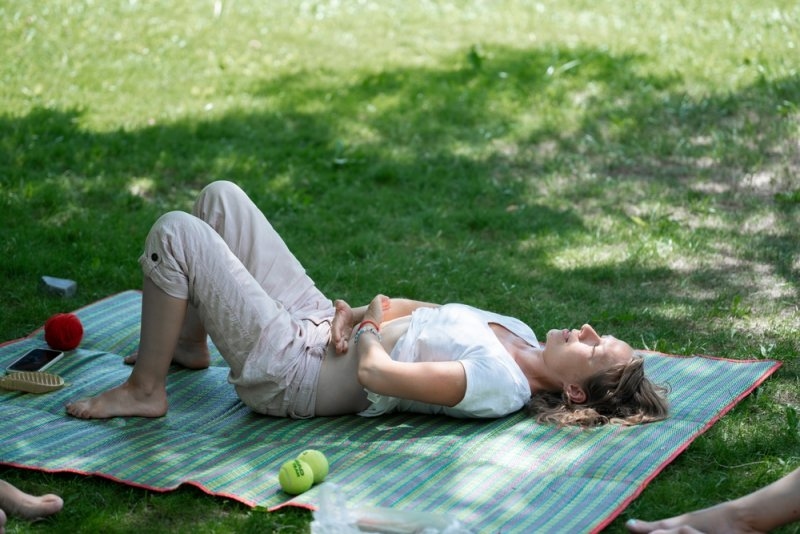
Your body may change during pregnancy, and it takes time to recover. Exercise is not about getting back to where you were before the kids or losing all the pregnancy weight. It is about going from feeling weaker to having better energy and back to feeling comfortable again.
Exercise, done at the right pace, can actually be a positive component of your postpartum recovery.
Exercise after pregnancy will vary depending on your route to the end of your pregnancy. If it was all fine during your pregnancy and you've had a vaginal delivery, some people are back to gentle movement within a matter of days – as soon as you're ready.
Can I still get in a workout if I still feel tired or sore?
Save yourself the time and effort. Postpartum exercise should start with manageable activity and small doses. If you experience discomfort, heightened bleeding, or post-exercise fatigue, lower the intensity and extend the duration of your workout.
An ideal postpartum workout session need not contain running, weight training, or aggressive ab exercise sessions. Walking is one of the easiest approaches to reintroducing workouts after having a child. Start off with only a few simple minutes and boost your time slowly as your stamina increases and healing develops.
Pelvic floor exercises may also be incorporated into early postnatal exercise if suitable. Gentle contraction and relaxation of the pelvic floor muscles can help to re-establish the connection with the muscles supporting the bladder, bowel and pelvic organs. Gentle core movements may also facilitate the return of abdominal control.
Low-impact exercises tend to be an obvious first choice. Walking, stretching, pelvic floor exercises, and controlled core work are some of the standard exercises following pregnancy when your doctor has not stated otherwise.
The safe exercises after pregnancy that can be taught and started as the recovery period evolves are:
Check with your doctor, and when approved, you may work more challenging bodyweight exercises into your postpartum workout as your postpartum recovery advances. Strength training, cycling, swimming, yoga, and various other activities. The point is progression, not perfection.
There's about a 3 million rise in the night-long break to exercise, which applies to you of bread; sometimes you're only looking. Ditto for how to locate. One-hour workouts are routine for 3 months, or 9-minute intervals twice a day with steadiness – plan to break working into short bites.
Hydration and comfort especially count if you are breastfeeding. Staying hydrated and wearing a supportive bra are aspects that can help with your comfort. Exercising moderately shouldn't affect your breastfeeding, but your own comfort and recovery are what should help you determine your pace.
Wondering when can I exercise after giving birth? There is no universal yes or no time frame that will apply. Some people are able to begin light exercise soon after an uncomplicated vaginal delivery, while others require extended recovery times after a surgical delivery, more significant repair, or other issues.
Listen to your body and your post-exercise sensations when determining whether to exercise post-partum. Don't try to "power through" pain just because you've reached a "marker" in your post-partum journey. Your body should feel strong after postpartum exercise, not exhausted.
Your postnatal exercise plan can eventually progress to encompass aerobic activity, strength, mobility and pelvic floor work. Most healthy adults should aim for 150 minutes of moderate intensity aerobic activity per week, though you don't need to get there straight away!
Your postpartum exercise programme may be progressive by small increments. Walk a little longer, add a few repetitions to the strengthening exercises you can do comfortably, or ease back into the activities you liked pre-pregnancy. Postpartum exercise should fit your post-pregnancy life rather than take you further away from your needs.
Exercise caution after pregnancy so you don’t worsen your symptoms. Take a break if you are in pain or don't feel good. Passing out or spotting, heavy bleeding, heavy pressure on the pelvis, shortness of breath or dizziness, and an increase in discomfort are important to get checked out.
Be aware of these exercise red flags when considering exercise after giving birth:
Being a new mom, your progress may be inconsistent. Suddenly, in the matter of hours, climbing the stairs with the baby feels easy again, while at other times, you find yourself exhausted. This is not a sign you are making slow progress; it is just the nature of your recovery. It may even be smarter to tailor your postnatal workout to your energy level.
Exercising after pregnancy allows you to rebuild strength, stamina, mobility and confidence after having a baby. If you're not sure when to exercise after pregnancy or labour (especially after a C-section or difficult birth), speak to your health professional about when you can start and what is right for your individual circumstances.
Whatever postnatal exercise (walk, pelvic floor exercise, stretch) you choose to do, take it easy and go slow.
Exercise in general can be helpful in recovery, but overdoing it can sometimes be counterproductive and worsen the symptoms. The aim is to increase activity levels slowly. Your doctor or midwife will advise on what activities are recommended for your delivery and recovery.
You can gradually resume working out after a C-section, but it may take longer to heal and bounce back than after a normal vaginal delivery. Check with your doctor when you can start doing certain things again, especially any activity that makes your abdomen sore or uncomfortable.
Walking is a great place to start because it's low impact and very easy to tailor. Even a couple of minutes of a walk can be a good way to start getting back into moving without a workout. Add more time and go faster as you can.
Rest is recommended for recovery, especially when sleep is disrupted by the needs of your newborn. As much as you want to get up and have an intense workout, rest if you're exhausted. You may want to do light movement if you feel you have the energy, but don't go overboard and neglect your recovery.
Progress your running, jumping, high-impact classes, or high-impact activities such as Zumba and spinning more slowly, and steer clear of the 'weeks after delivery' timeline. Consider your symptoms, your pelvic floor health, your strength, and your delivery recovery, and talk to your doctor or health care provider.
This content was created by AI